

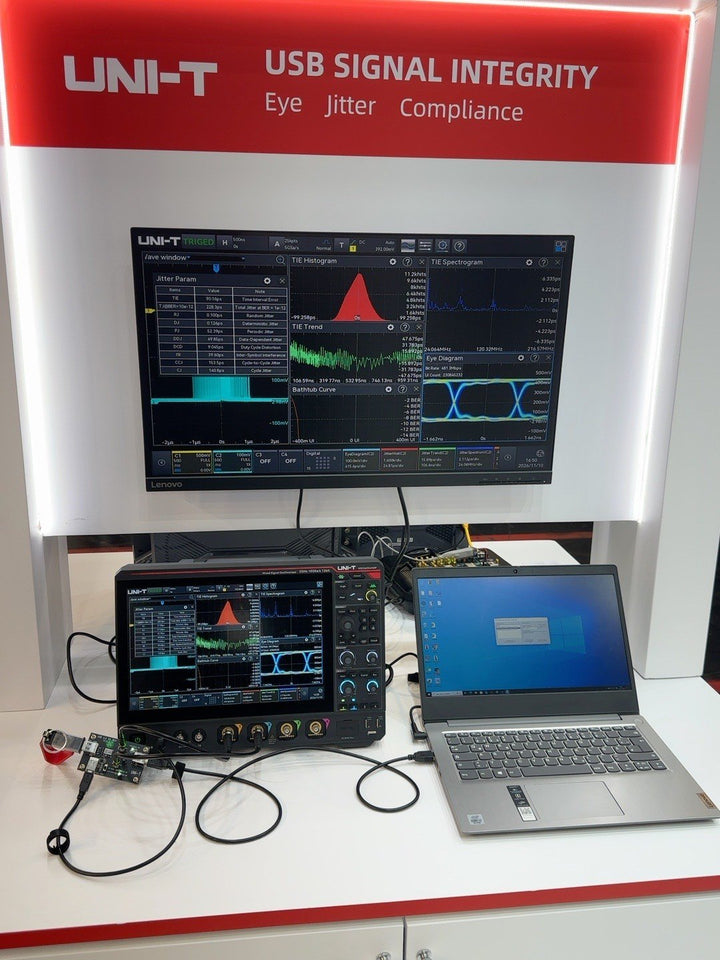
TEST_PACKET to Bathtub: Reading a USB 2.0 High-Speed Jitter Analysis at electronica 2026
A USB 2.0 high-speed jitter test, start to finish: TEST_PACKET mode, fixture, 12-bit capture, then eye, TIE, jitter spectrum and bathtub on one...
Semiconductors · Industry insights · Engineering knowledge · European field notes

Your cart is empty
Continue shoppingProduct added to cart
Technology, Industry & Insight / Europe
Technology news, company perspectives and original analysis. Following semiconductors, AI and the systems reshaping industry — with an engineering view from Europe.
A USB 2.0 high-speed jitter test, start to finish: TEST_PACKET mode, fixture, 12-bit capture, then eye, TIE, jitter spectrum and bathtub on one...
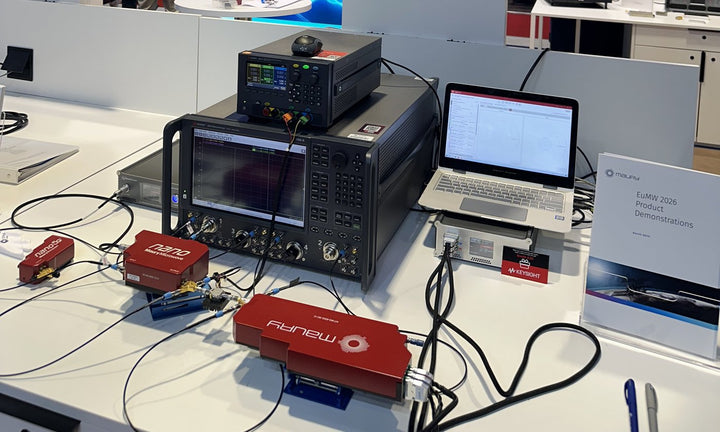
Maury Microwave’s InsightPro displayed two gain curves at thesame load, from a single-pulse and a double-pulse power sweep, differingby several dB at low...
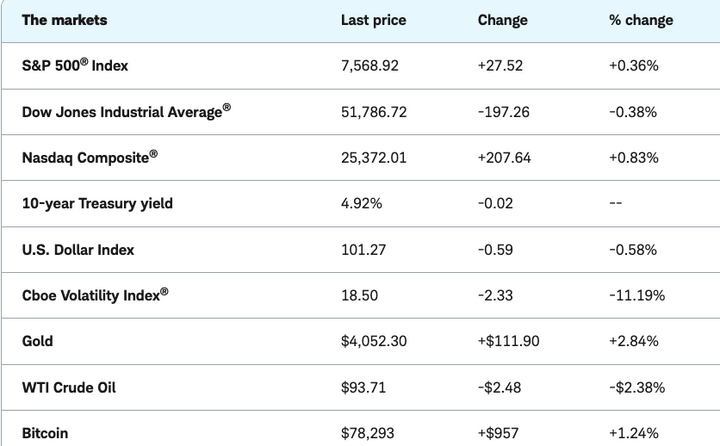
Microsoft rallied as chip stocks fell after the US midterms. An engineering view of the divide: data-center permits, power delivery, financing and the...
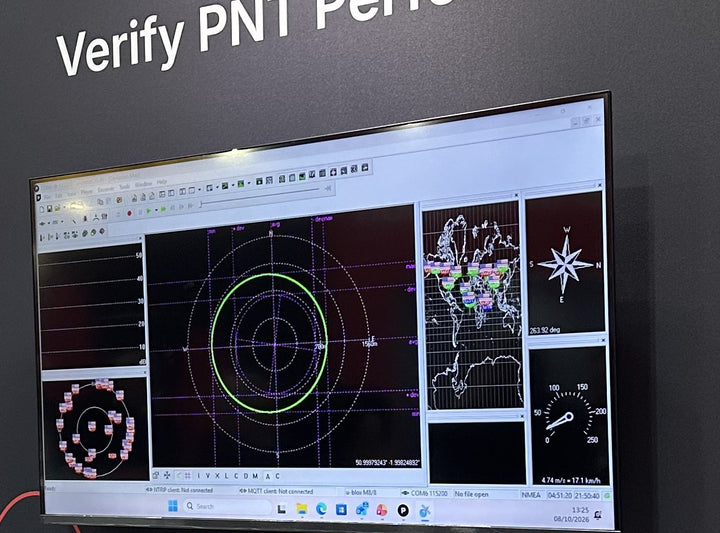
Two Keysight stations at EuMW 2026 dealt with the RF world outside the lab: networked spectrummonitoring at 750 MHz with 100 MHz bandwidth,...
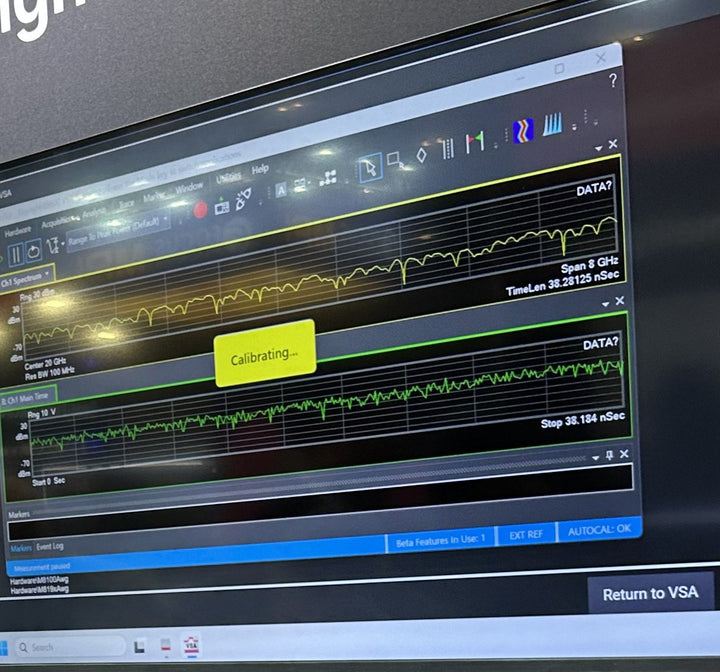
At Keysight’s Master Signal Analysis station, the 89600 VSAshowed an 8 GHz span at 20 GHz while calibrating. The uncorrectedspectrum showed strong tilt...
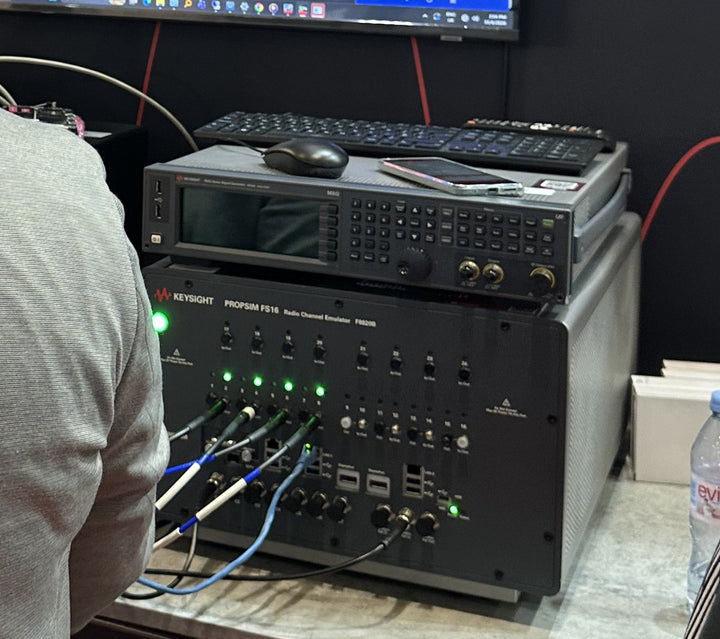
Keysight’s end-to-end NTN demo used a PROPSIM FS16 channelemulator to reproduce a LEO satellite pass: Doppler swinging from about+40 kHz through zero, and...
From the AXMEAS shop
A small selection from our commercial catalog. Explore flagship instruments, then browse by measurement task. Product pages provide configuration and availability details.
A broad technology perspective, with a current focus on semiconductors and AI. Start with the coverage already in our archive.
Devices, materials and power electronics. What changes in performance, design and adoption?
Explore coverage →AI agents, edge computing and the hardware behind intelligent systems.
Explore coverage →RF, wireless, satellite links and embedded systems, from devices to infrastructure.
Explore coverage →Measurement methods, instruments and technical explainers that put claims in context.
Explore coverage →Explore the technical evidence behind the headlines. This archive connects our semiconductor, AI, power electronics and communications coverage with explainers and original field observations.
Archive guide · Updated 5 November 2026. Article dates refer to their original publication; historical field reports retain their event context.
SiC and GaN devices, gate driving, switching behaviour and power characterisation.
Network analysis, spectrum monitoring, mixers, amplifiers and millimetre-wave measurement.
Signal integrity, interconnects, embedded hardware and design validation.
AI-assisted design, instrument workflows and the practical limits of automation.
Explore companies through their technology, products and place in the industry. The links below lead to existing AXMEAS coverage; inclusion does not imply a partnership or endorsement.
Look beyond the headline specification. Explore demonstrations, measurement setups and technical questions from EuMW, PCIM and Embedded World.
About AXMEAS Signal
AXMEAS Signal is a technology and industry publication from Augsburg, Germany. It brings together reporting, company perspectives and original analysis by Thomas Hu — @SignalByThomas — with a background in mathematics, physics and the European test and measurement industry.
Our current focus is semiconductors and AI, alongside power electronics, communications and emerging systems. Test and measurement is our point of entry: a way to question performance claims, understand engineering constraints and connect technology with its commercial implications.
Editorial approach: distinguish verified facts, manufacturer claims and our own interpretation. Publication dates and sources provide context; original photographs and field observations identify what was actually seen. Significant corrections should explain what changed. Send corrections, source material or a topic suggestion with the article link.
Contact AXMEAS →


